
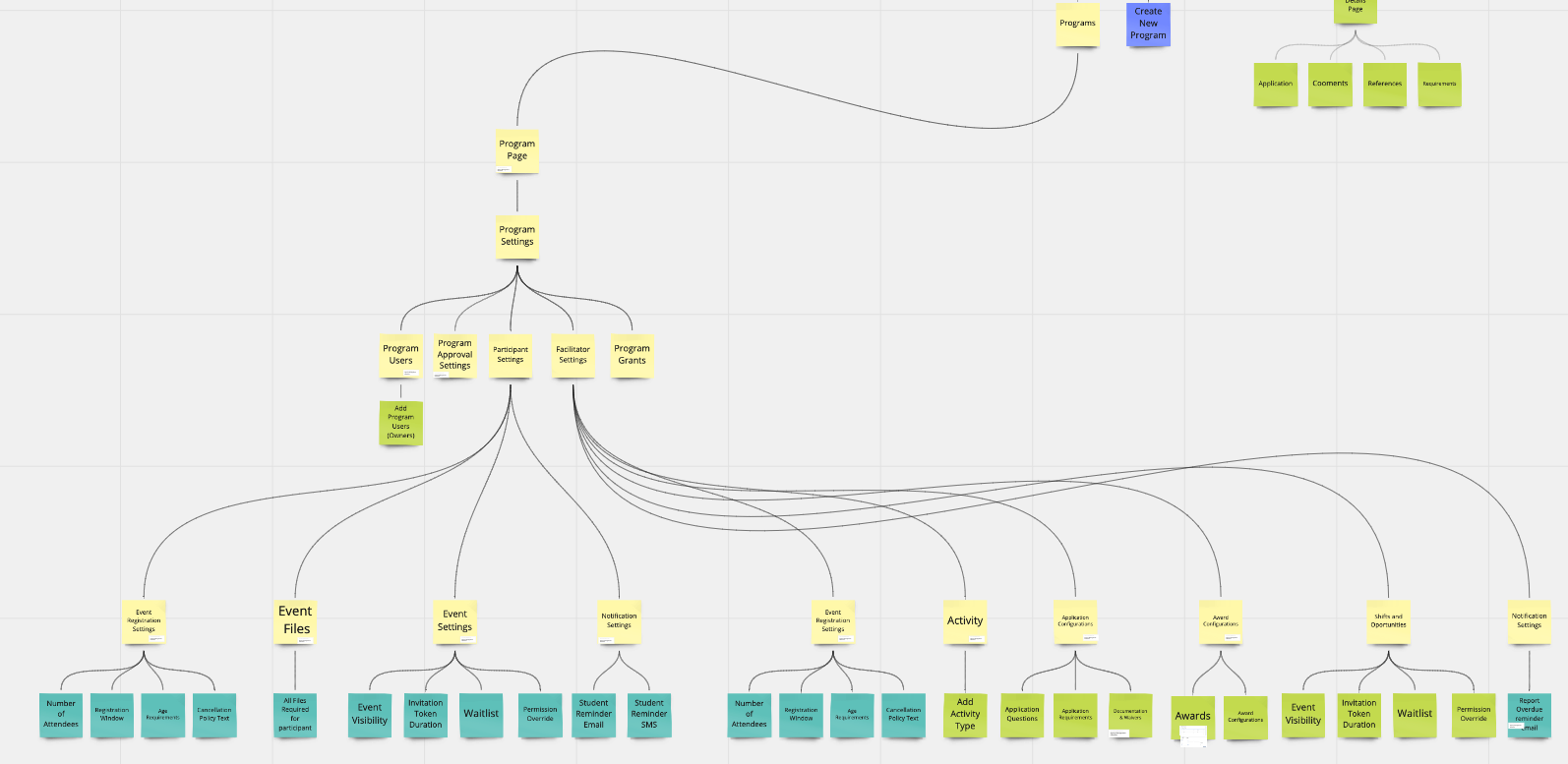
In order to Ideate a solution, we first had to identify problems. Using Miro, I started to map out both products and their interfaces. Mapping out the admin interface first, we noticed a few areas that were causing issues.We essentially had duplicates for many features. We had two workflows for; program management, events, configurations and settings, survey engine, volunteering management, and customer management. This meant that admin users would need to manage the same programs, volunteers, events, etc… in two separate locations and that workaround were needed in order to avoid any reporting issues. There were two separate interfaces for consumers that both had completely different looks and feel and different patterns and behaviours. The disconnect was apparent. Mapping out every workflow has also revealed our users’ needs, the touch-points between roles and personas and the delivery method we should consider using.
I was able to identify roles and personas thanks to usecases provided by clients, our subject matter experts and through previous user research.
To help reduce duplicated features I redefined our objects and matched each feature that had the same purpose and functionality. For example, we had to create separate programs and events (one in each module)even though in theory they were the same programs and the same events. Once duplicates were identified I created two separate flow charts. One for the admin interface used by the administrators at the agency and at Kalkomey and one for our consumer interface used by volunteers and participants.

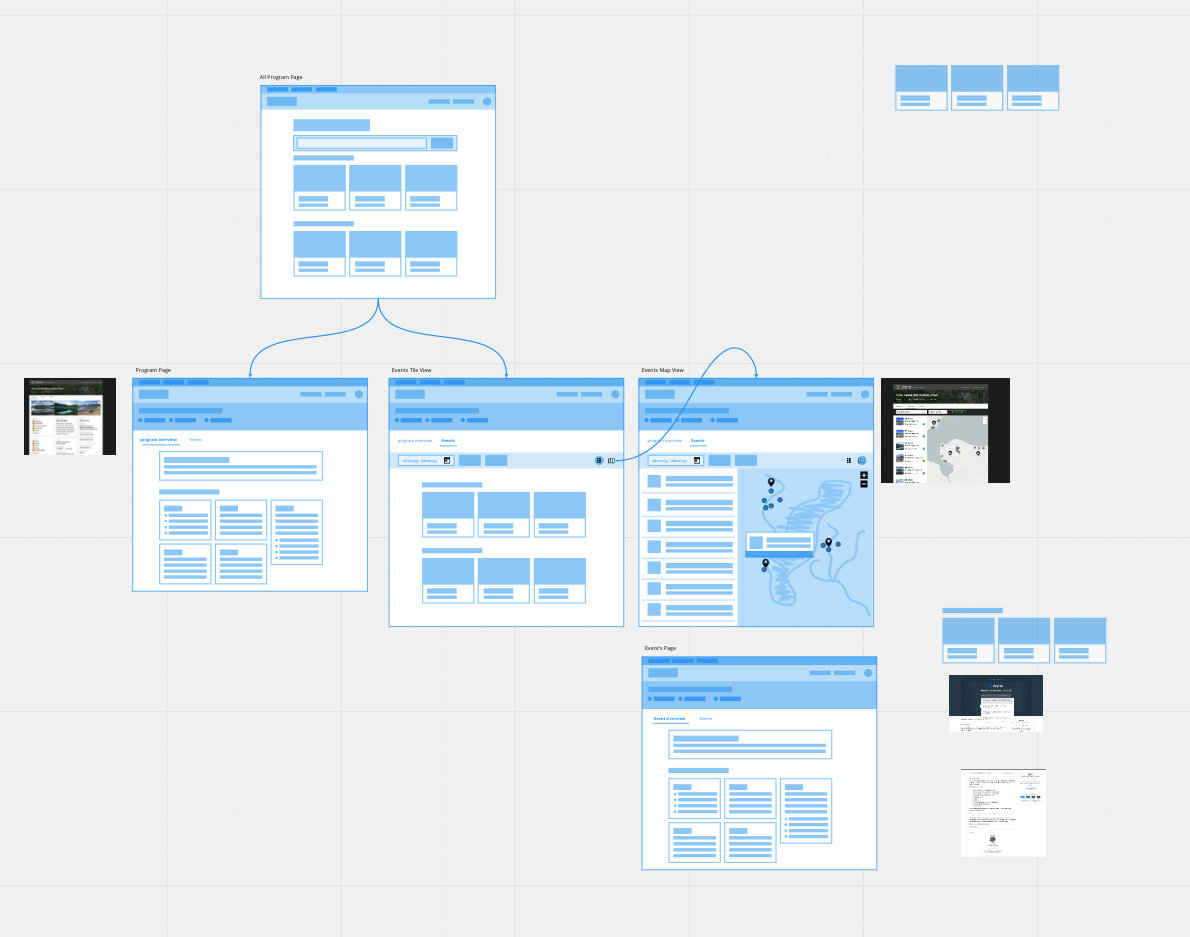
Once confident with the architecture, I created low fidelity wireframes to get a general sense of what the scope of work would look like and how many screens we needed to complete the work.
I then created high fidelity wireframes for the admin interface making sure to provide improvements to the designs as to not have to come back later to improve the UX/UI. The consumer interface for the event manager and volunteer manager were being rebuilt entirely using a new design system that was part of a different initiative. The exciting news was that they would now be connected behind the seams and visually would be consistent with one another.

.jpg)
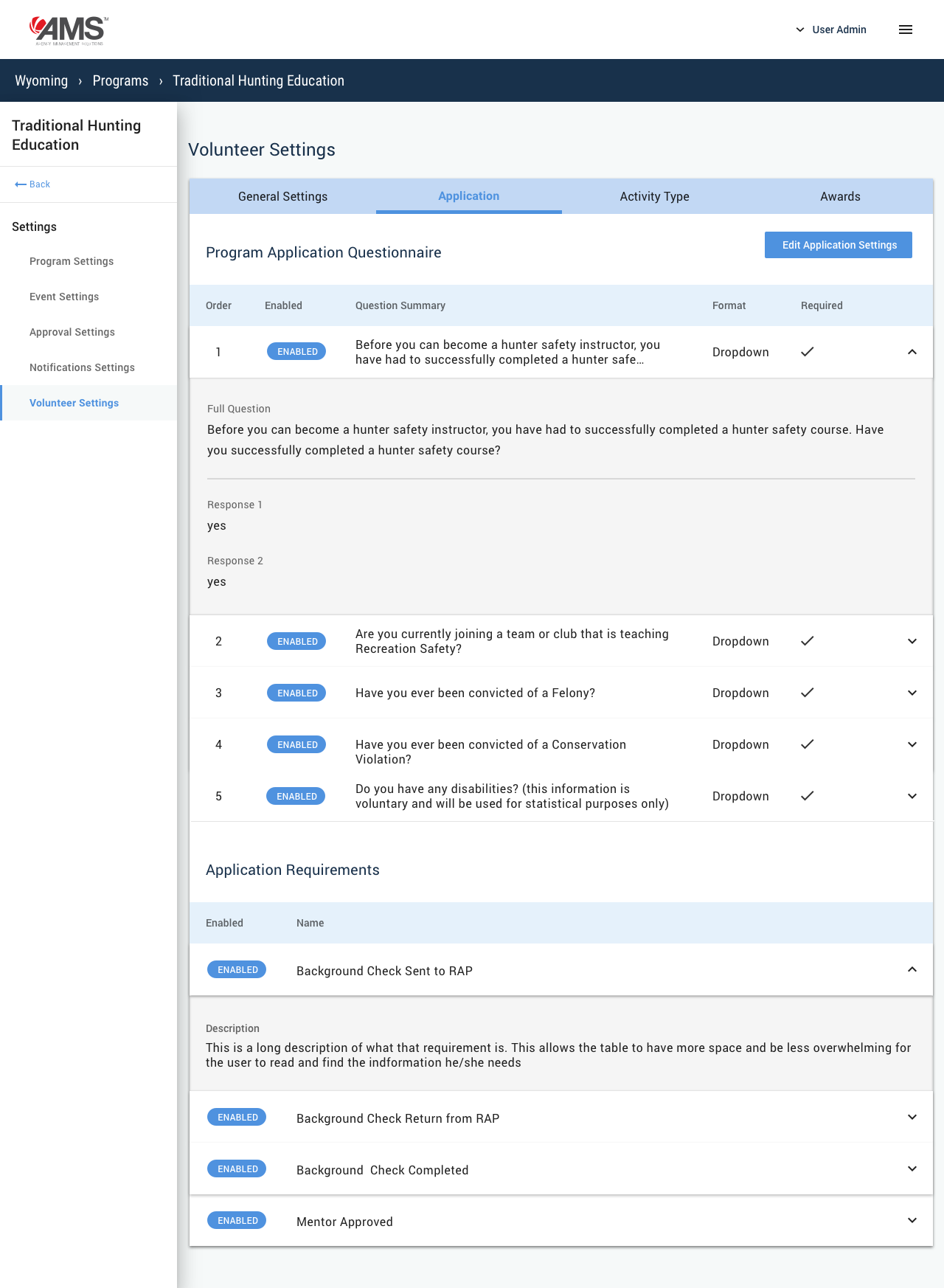
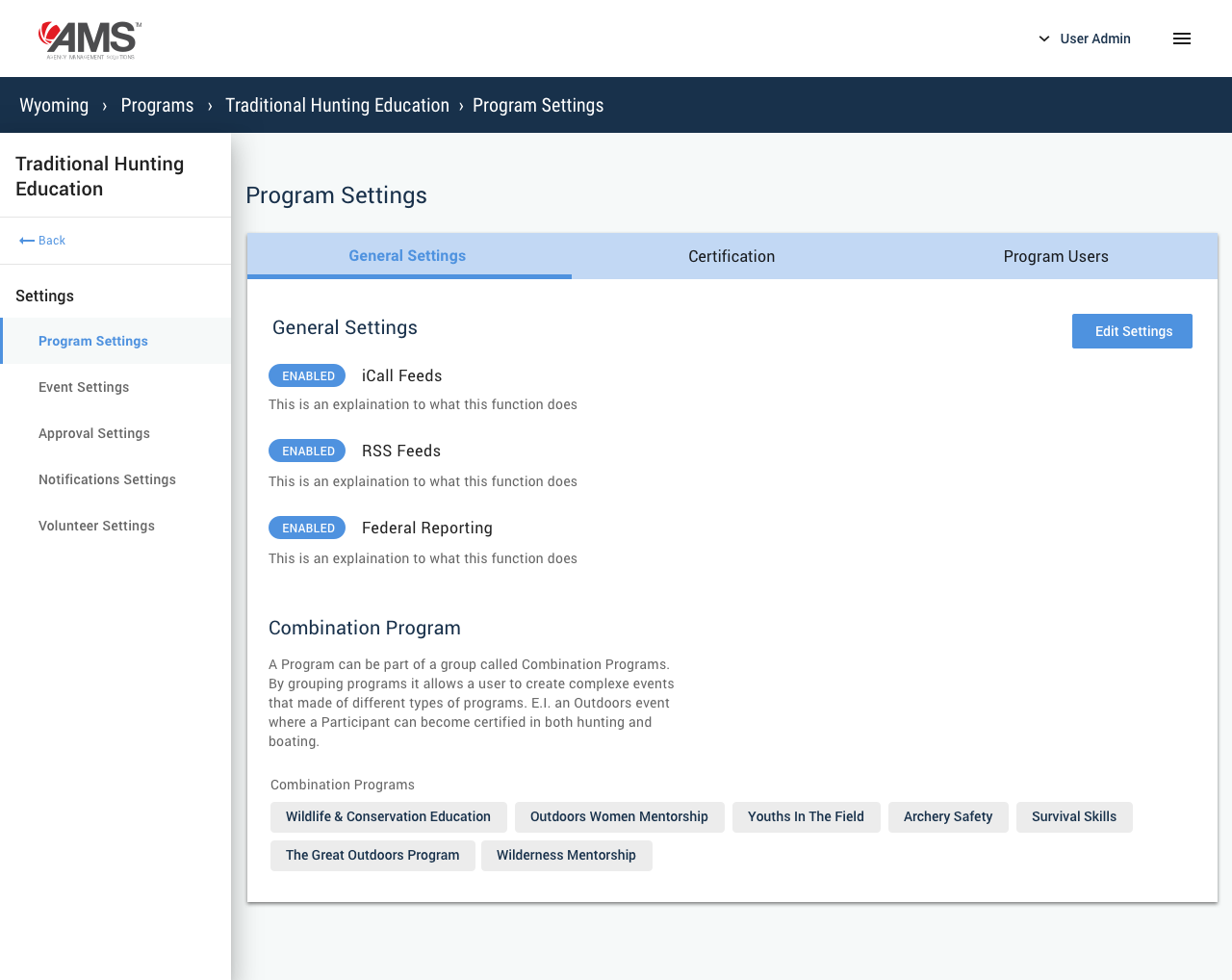
By merging Events and Volunteering into one product, this could now allow users to manage their programs’ events and opportunities and their volunteers under one area of the agency management software. This meant that they wouldn’t need to create two versions of the same program nor would they encounter reporting issues for instructors.